Bright savings on light THERAPY patches ~ WHOLESALE PRICING FOR RETAIL CLIENTS!
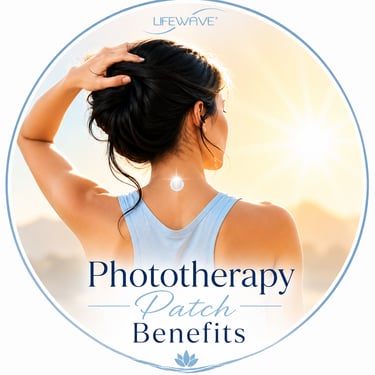
What Are Phototherapy, Photobiomodulation and Photobiomodulation Patches?

How Photobiomodulation works
Photobiomodulation (PBM) is the use of specific wavelengths of red and near-infrared light to stimulate natural cellular processes, helping the body repair, regenerate, and function more efficiently.
In simple terms, photobiomodulation uses light energy—not heat, drugs, or surgery—to support the body's own healing mechanisms.
How It Works
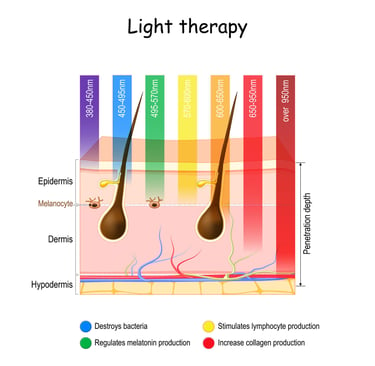
When red (typically 620–700 nm) and near-infrared (700–1100 nm) light penetrate the skin, they are absorbed by structures inside cells called mitochondria, often referred to as the "powerhouses" of the cell.
The light helps mitochondria produce more ATP (adenosine triphosphate), which is the primary energy source used by cells.
This can lead to:
Increased cellular energy production
Improved circulation
Reduced inflammation
Enhanced tissue repair
Faster recovery from exercise or injury
Support for healthy skin and collagen production
Potential Benefits
Research suggests photobiomodulation may help with:
Joint and muscle discomfort
Recovery after exercise
Wound healing
Skin rejuvenation and collagen production
Sleep quality
Temporary relief of pain and stiffness
Nerve health
Reduced inflammation
Hair growth
Red Light vs. Near-Infrared Light
Type: Red Light
Wavelength: 620–700 nm
Primary Effect: Skin, collagen, surface tissues
Type: Near-Infrared Light
Wavelength: 700–1100 nm
Primary Effect: Deeper penetration into muscles, joints, and nerves
Many photobiomodulation devices combine both wavelengths.
Is It the Same as Infrared Saunas?
No.
Photobiomodulation uses specific light wavelengths to stimulate cellular activity.
Infrared saunas primarily use infrared energy to generate heat and induce sweating.
Although both may have wellness benefits, they work through different mechanisms.
Is Photobiomodulation Scientifically Recognized?
Yes.
Photobiomodulation has been studied for decades and is used in various medical, rehabilitation, sports recovery, and wellness settings. Organizations such as North American Association for Photobiomodulation Therapy and researchers including Michael R. Hamblin have published extensive work on the subject.
Photobiomodulation and Light Patches
The term "photobiomodulation" is often used for:
Red light therapy panels
Low-level laser therapy (LLLT)
LED therapy devices
Certain phototherapy patches that use the body's own infrared energy and light signaling mechanisms
PHOTOTHERAPY
The science of phototherapy, which has been around for about 100 years, uses light to improve the health of the body. As far back as two thousand years ago, the ancient Greeks had a center for studying the effects of different colored lights on the body. Even the ancient Egyptians, who promoted health by focusing sunlight through colored glass on certain areas of the body, understood this concept.
Phototherapy is a treatment that uses specific wavelengths of light to improve or treat certain medical or skin conditions. The light triggers biological reactions in the body or skin. ☀️
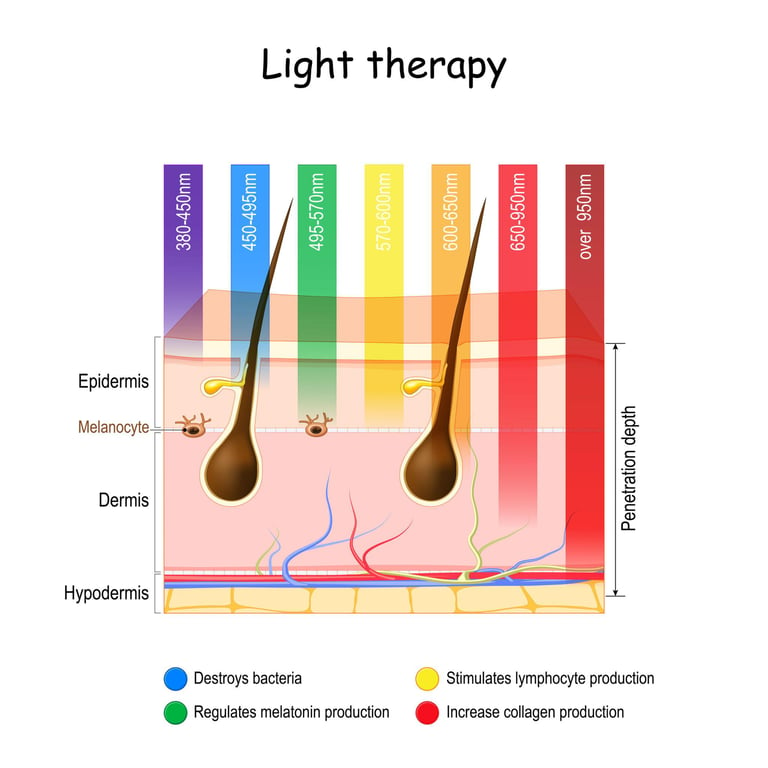
Different types of light can affect the skin, cells, mood, sleep cycles, and other functions depending on the wavelength and method used.
The word comes from:
“photo” = light
“therapy” = treatment or support
Simple explanation:
Phototherapy = healing with light.
Common types of phototherapy:
1. UV phototherapy (ultraviolet light)
Used by dermatologists to treat skin diseases such as:
• Psoriasis
• Eczema
• Vitiligo
Types include:
• UVB therapy
• PUVA therapy (psoralen + UVA light)
These slow excessive skin cell growth and reduce inflammation.
2. LED / red-light therapy
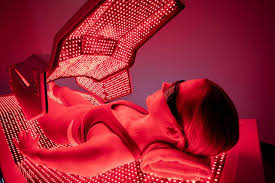
Often used in wellness clinics and spas. It uses red or near-infrared light to:
• support skin healing
• reduce inflammation
• stimulate collagen
• help with muscle recovery
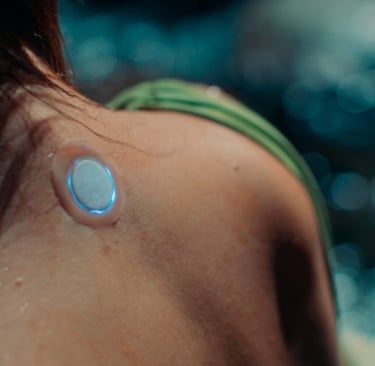
Examples include devices like LifeWave X39 patch, which claims to stimulate light signals in the body (photobiomodulation).
3. Blue-light phototherapy
Commonly used for:
• acne treatment
• killing bacteria that cause breakouts.
4. Neonatal phototherapy
Hospitals use blue light to treat newborn babies with Neonatal jaundice by helping the body break down excess bilirubin.
Different colors and wavelengths of light cause different biological effects in the body.
✅ Improved cellular regeneration and energy
✅ Improved energy, stamina and fitness performance
✅ Anti-inflammatory effects
✅ Skin repair
✅ Improved sleep and mood
✅ Reduced stress and anxiety
✅ Faster wound healing
✅ Faster recovery
One commonly discussed concept is that certain wavelengths may support mitochondrial activity — the part of cells involved in energy production.
You can think of phototherapy as:
using light as a signal to encourage certain responses in the body.
Phototherapy patches
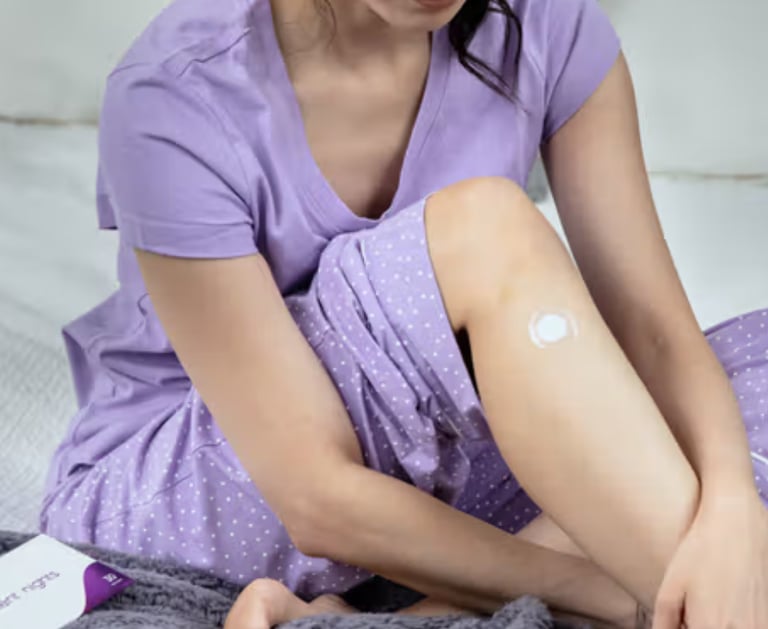
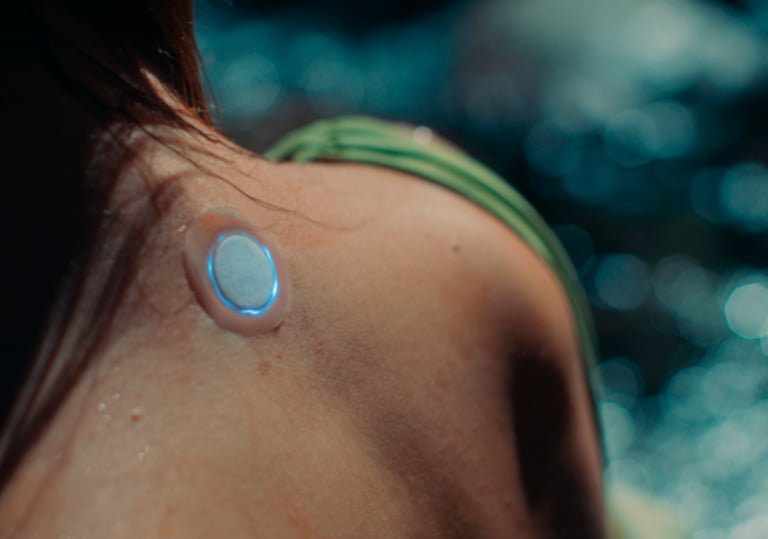
Some wellness products, including patch-based systems, are designed to reflect or interact with body heat/light rather than emit powered light like a lamp or laser. These products are marketed as a non-invasive wellness approach.
The exact mechanism and scientific evidence can vary significantly between products, so it’s important to review manufacturer information.
Lifewave ~ Company Overview

Dagmara Ragone
Lifewave Photobiomodulation Consultant
Energy ~ Regeneration ~ Sleep
Contact:
DagmaraRagone@icloud.com
Monday - Friday 10am - 8pm EST
Saturday 10am - 4pm EST